
5/30/19
What does a lesson look like that includes the appropriate modifications for a CLD student’s needs in my classroom? As a teacher, we must first take into account the cognitive, linguistic, social, and academic proficiency the student embodies. Second, the teacher must align the lesson to a theoretical approach, followed by a researched method, then employ strategies within the method into the lesson. One of the most important things to remember is to not lower the content level, but provide scaffolding for CLD students to comprehend grade level materials. There are several researched based methods to use when providing appropriate accommodations to equitably develop linguistic, cognitive, social, and academic skills for CLD students. The following is one method that is a valuable resource for CLD education.
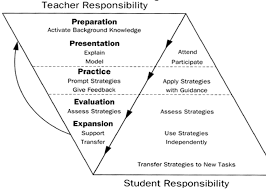
The Sheltered Method of Instruction is a researched based method that has proven increased success for CLD students in the grade-level classroom. The sheltered method encompasses four common themes of instructional strategies: hands-on activities, cooperative learning, guarded vocabulary, and visuals. Many of these strategies are already used in everyday classrooms, however, remember to incorporate support in L1 as well as L2 when specifically preparing materials for a lesson where CLD students will be present. Specifically, the sheltered instructino observation protocol (SIOP) model, was created by three researches who found 8 key components or 3 critical aspects that must be used to meet the requirements of a SIOP lesson. Within the components/aspects there are thirty critical aspects and indicators of best practices. I have included several resources below to help you explore and support best practices using the SIOP method.

http://www.cal.org/siop/pdfs/lesson-plans/cal-siop-activity-interactive-design-template.pdf
- http://www.cal.org/siop/pdfs/cal-siop-vocabulary-cards.pdf Used to strengthen newcomer vocabulary
- http://www.cal.org/siop/pdfs/playground-math.pdf 5th grade math lesson
- http://www.cal.org/siop/pdfs/lesson-plans/using-the-siop-model-to-address-the-language-demands-of-the-ccss.pdf Cooperative Learning Strategies

5/23/19
In the collegiate field educators refer to theorists to identify the cognitive, academic, linguistic, and social aspects of student development. In a school district, educators rely on best practices (researched methods) to guide their instruction. A concept not communicated clearly with many educators is how best to teach their culturally and linguistically diverse students. As all good teachers do, a combination of practices they saw being used throughout their personal education as well as methods used with native language speakers is used to best meet the needs of their CLD students. However, there are two researched approaches that when used to teach the English learners can lower the affective filter and increase language acquisition. The communicative approach has a student-centered basis on language learning through and for communication. The cognitive approach has a learner-center basis on teaching strategies to evoke thought and social connections. Each approach embodies researched and theory-based techniques for meeting the needs of a CLD student’s educational experience. The following are some examples of best practices from each. I’ll let you decide which best aligns with your pedagogy.
5/15/19

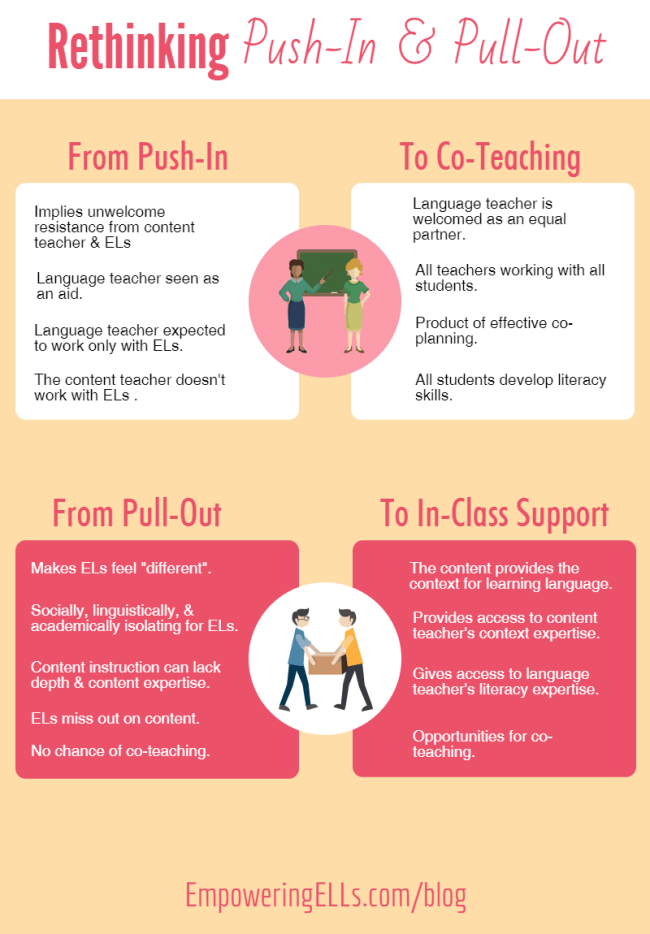
The United States public school system has created four main structures for educating culturally and linguistically diverse students. W.P. Thomas and V.P. Collier published, A national study of school effectiveness for language minority students’ long-term academic achievement in 2002. Based on their research conducted on program models, the following are ranked from least effective to most effective: English as a Second Language, Transitional Bilingual Education, Developmental Bilingual Education, and Two-Way Immersion. If you have a similar experience to me, in Kentucky I have only seen ESL programs in practice. The facts from Thomas & Collier however, do not support our state’s belief in educating our ESL population. -ESL programs are the least effective in providing appropriate language and literacy accommodations -ESL programs are the most costly program -ESL programs are grounded in SUP instead of CUP (click the linguistics tab to learn more about SUP & CUP) Thomas & Collier’s research does support an education that combines learning in both L1 & L2 for 4 or more years in early education. If research consistently supports a different method for teaching our CLD students, why is there not change in policy or practice to best meet the needs of students? What can we as teachers do to better support CLD students in our classroom when district policy places constraints on what we have the ability to provide? Why are teachers not expected to have more exposure to a second language in their collegiate education if our school systems continue to grow in diversity?
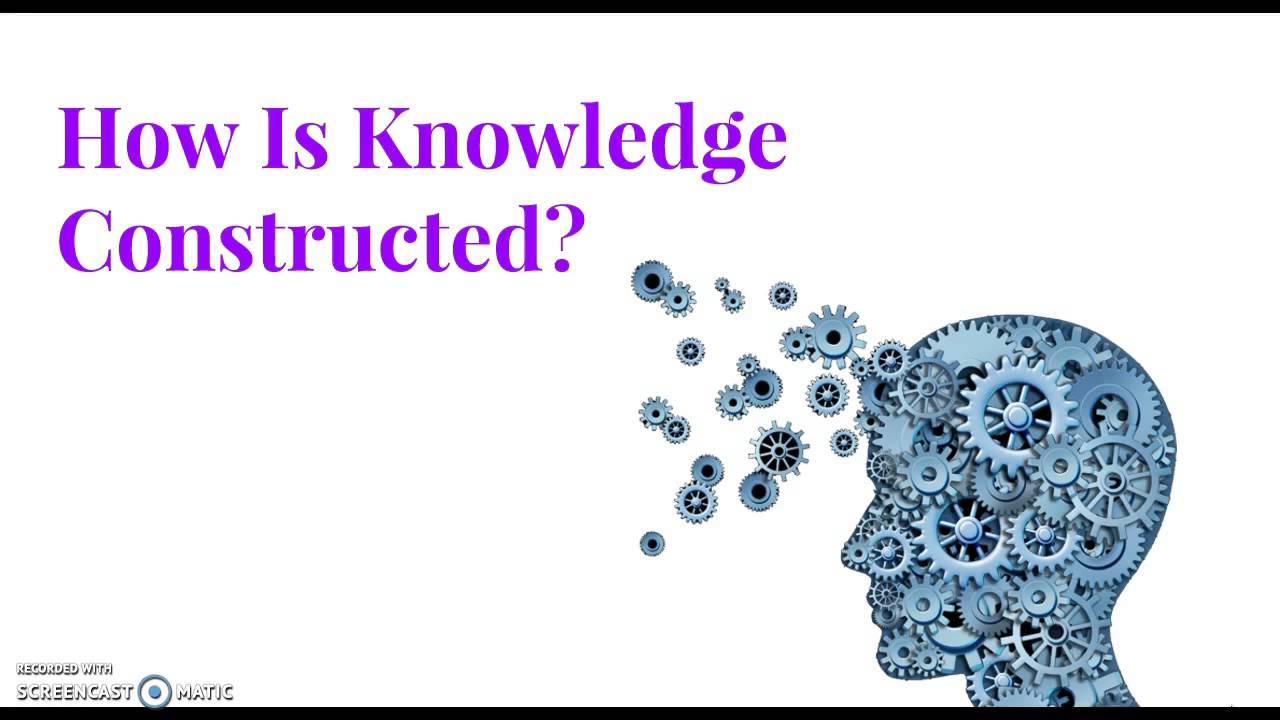
5/10/2019 What are best practices when creating lessons for our culturally and linguistically diverse students? According to Wong Fillmore, there need to be at least three environmental factors in place for a CLD student to succeed. First, the student must possess the desire and understanding for learning the new language. Next, a proficient speaker of the target language must be guiding the learning. Finally, language learners and fluent speakers must come into contact often to practice social and academic language. Once these environmental factors are in place, what pedagogy should guide your practice? Based on several research projects, one of the best methods of teaching CLD students is the constructivist method. Applying the constructivist methods and theories to all students, not only the language learners, may facilitate a richer learning environment in your classroom. Watch the video in the link below to find out what the constructivist theory is and how it may benefit your classroom. https://www.sophia.org/tutorials/5-principles-of-constructivist-teaching-2
 Trunnell's Observations on Language Learners